How ePPC Built an AI Lead Prediction Model and Cut Atom Mobility's CPA by 56%
90% of demo requests were low-quality or spam, and a long sales cycle meant Google Ads couldn't learn what worked. We built a custom AI model to score leads in near-real-time — transforming campaign performance and winning industry awards along the way.
Atom Mobility
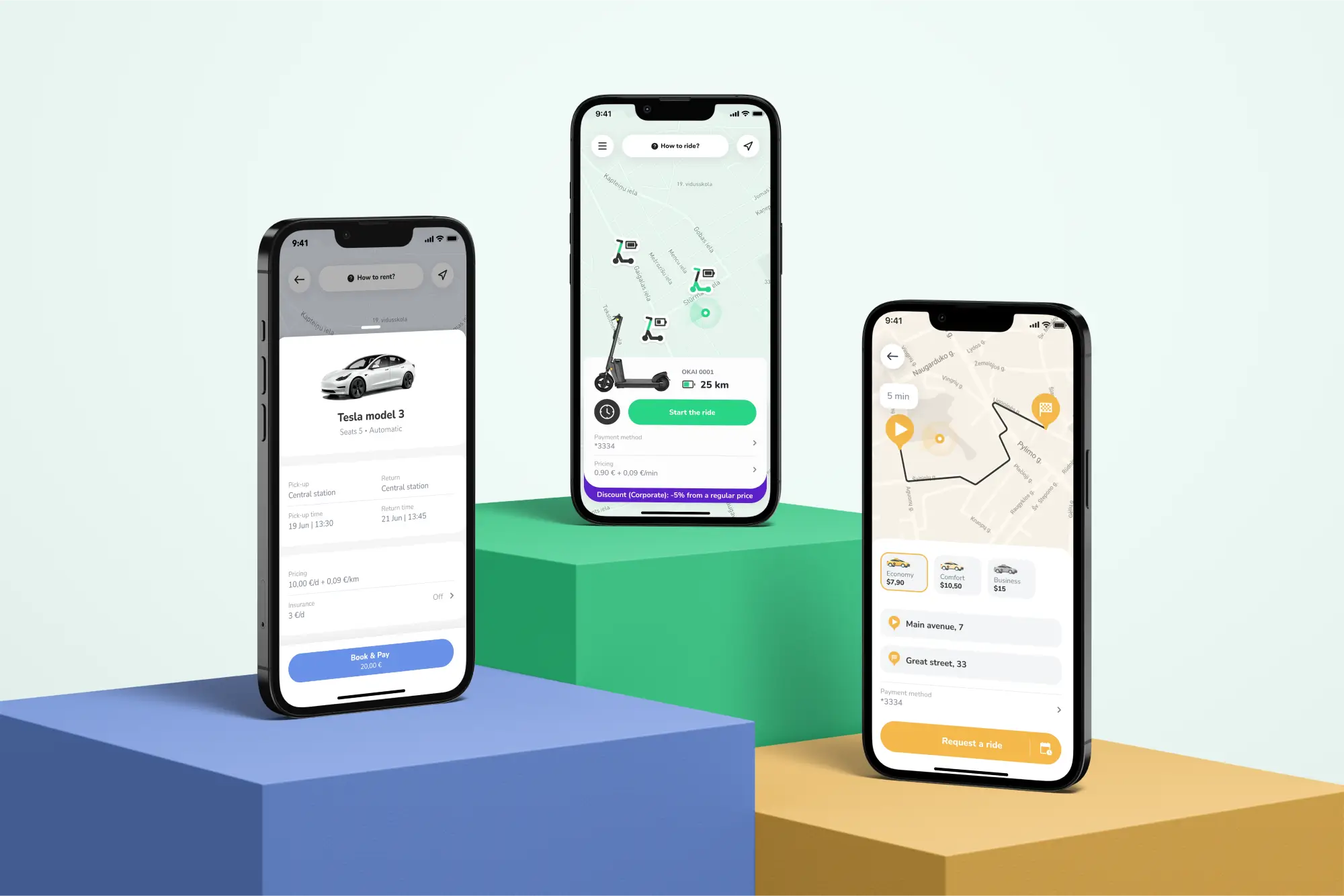
Atom Mobility offers customizable white-label mobile technology for vehicle sharing, rentals, and taxi businesses. Their platform enables companies worldwide to launch and operate mobility services under their own brand.
The company has two primary product verticals — Vehicle Sharing and Ride Hailing — each with its own audience, sales cycle, and performance targets.


Plenty of leads, but almost none were real
When Atom Mobility partnered with ePPC, they were generating a healthy volume of demo requests through Google Ads. On the surface, things looked fine. But dig deeper and the picture was grim: only about 10% of those demo requests were actually sales-ready leads.
The other 90% were low-quality or spam — and the long B2B sales cycle (weeks to months before a lead converts to a contract) meant Google Ads couldn't learn quickly enough which audiences and keywords were driving real value.
Only 1 in 10 demo requests were sales-ready. The long sales cycle slowed campaign learning and held back optimization.
The old customer journey was too slow
In the previous setup, every demo request went through a manual sales assessment. Sales reps would review each lead, qualify it, and — if it was genuine — eventually send the conversion signal back to Google Ads.
The problem? This process took weeks or even months. By the time Google Ads received the offline conversion data, the feedback loop was too slow to be useful for campaign optimization.
The bottleneck: Google Ads couldn't get enough offline conversions fast enough to learn what was actually working.
Lead fills in form via Google Ads
Manual review — takes weeks/months
Sent to Google Ads — too late to optimize
A custom AI model that scores leads in 24 hours
Our team — account managers and a data scientist — built a custom AI lead prediction model to automate lead quality assessment. The new system fundamentally changed how campaigns learned:
- ✓Leads were assessed using both the AI model's prediction and sales team feedback
- ✓The model updated its assessments every 24 hours, providing near-real-time insights
- ✓Google Ads optimized for AI-predicted conversions as well as sales-qualified conversions
The key shift: Campaigns could now learn faster, with more accurate signals about which audiences and keywords were driving genuinely valuable engagement — not just clicks.
Lead fills in form via Google Ads
Scored within 24h — near real-time
Combined signal from both sources
Google Ads learns from quality signals
Tactical improvements powered by better data
With lead quality scoring feeding into campaign intelligence, we also executed a series of tactical improvements that compounded the gains from the AI model.
Keyword Optimization
Analyzed which keywords delivered higher-quality leads using AI scoring and CRM data, then shifted bids accordingly.
Landing Page Enhancements
Improved copy, design, and UX based on Microsoft Clarity heatmaps to reduce drop-off before demo requests.
Campaign Restructuring
Reallocated budgets away from markets generating clicks but not contracts, focusing on higher-value segments.
Performance metrics that changed the game
Once the AI model and strategy changes were in place, Atom Mobility's campaign performance improved dramatically across the board.
in key cost metrics
and conversion signals
down from weeks
These results helped Atom Mobility make smarter decisions about where to invest marketing dollars and dramatically speed up learning cycles that were previously constrained by slow, manual lead assessments.
Key takeaways
In B2B, lead volume is a vanity metric. Optimizing for form fills alone teaches Google Ads to find more of the wrong people. You need quality signals feeding back into the algorithm.
Speed of feedback matters as much as accuracy. A good-enough AI prediction in 24 hours is more valuable for campaign optimization than a perfect human assessment in 6 weeks.
AI and human judgment work best together. The model didn't replace sales reps — it gave them a head start and gave Google Ads the fast feedback loop it needed to optimize effectively.
Award-winning work
The campaign was recognized at multiple industry award shows for its combination of AI innovation and tangible business impact.
Struggling with B2B lead quality?
If you're spending on Google Ads but most of your leads aren't converting to real pipeline — we've been there. Book a free call and let's explore whether an AI-driven approach could work for your business.
Or write to us: karl@ppc.ee